
|
“Inflammaging” is a word coined from inflammation and aging. It describes the connection between age-related inflammation and the aging process in pets. Is all inflammation bad, and does every type of inflammation lead to aging? The answer is no. Acute inflammation is a protective response Acute inflammation is not a bad thing. In fact, it is a necessary protective response that helps the body heal and repair. In the short term, inflammation is a natural process within the healing process following triggers such as injury, chemical toxins, microbial infection and free radical damage. How chronic inflammation becomes inflammaging Chronic inflammation at the cellular level is different. It should not continue unchecked. If it does, this chronic state of low-grade inflammation can contribute to premature aging and chronic diseases, including autoimmune diseases and other autoimmune disorders. Chronic inflammation occurs when tissues and organs continue to receive inflammatory signals that cause them to overreact and prevent the inflammatory cycle from being completed. A major part of keeping inflammation in check is modulating cytokine activation. In simple terms, this means supporting a healthy balance between pro-inflammatory cytokines and anti-inflammatory cytokines by promoting balanced T-helper cell activity. T-helper cells are a class of lymphocytes, or white blood cells, that help coordinate the immune system response to inflammation and other threats. A balanced profile of T-helper cells is crucial for immune defenses, immune function and healthy tissue homeostasis. When one system in the body is compromised, it can affect others as well. For instance, we know there is a strong gut-brain axis and a gut-lung axis. Everything in the body is interconnected. When chronic inflammation is present, free radicals and reactive oxygen species can also contribute to oxidative stress and oxidative damage. The right anti-inflammatory components, including antioxidants, can play an important role in helping to counter those negative effects. The most common type of inflammation I see is in the gut. That is no surprise when a poor diet contains inflammatory pet-food ingredients such as corn, wheat gluten and meat meals, which I do not consider digestible. The gut microbiota and the wider gut microbiome are part of this interconnected system. When inflammation takes hold, it can shorten the telomeres of DNA strands and contribute to premature aging. The good news is that herbs such as astragalus have also been shown to lengthen DNA telomeres.  What research says about inflammaging in dogs and cats Veterinary medicine is paying more attention to how the immune system changes as pets live longer. Immunosenescence describes age-dependent changes in immune function, while inflammaging describes persistent, low-grade inflammation. The two can overlap when an aging immune system responds less effectively to new threats but allows inflammatory signals to remain active. A veterinary review reported age-related changes in cell-mediated immunity, including differences in T-cell populations and reduced lymphocyte responses. It also found increased production of pro-inflammatory cytokines by blood monocytes in senior cats. However, the authors emphasized that pet-specific inflammaging research remains limited. [1] More recent research measured IL-6, IL-1 beta and TNF-alpha in healthy dogs of different ages and sizes. Inflammatory profiles changed across the dogs' lives, but the pattern was not identical to that commonly reported in humans. [2] Human research can suggest possible mechanisms, but it is not proof of what happens in every dog or cat. Inflammaging is best understood as a framework rather than a diagnosis. It helps researchers explore connections among aging, chronic inflammation, nutrition, body condition and the gut microbiome. It does not mean every senior pet is inflamed or every age-related condition has the same cause. Mechanisms behind inflammaging in pets The molecular mechanisms behind inflammaging are interconnected and still being studied. With immunosenescence, different types of immune cells change and the immune response may become less precise. The body may respond less effectively to new threats while continuing to release pro-inflammatory molecules that are no longer helpful. Cellular senescence may also play a role. Senescent cells have stopped dividing but remain in tissue, where some release cytokines and other inflammatory signals. If they accumulate faster than the body can clear them, they may contribute to chronic inflammation and interfere with normal tissue repair. Mitochondria, which help cells produce energy, may become less efficient with age. Increased reactive oxygen species can overwhelm antioxidant defenses and create oxidative stress. Damaged cells may then release more danger signals, creating a vicious cycle between tissue damage and inflammation. The gut microbiota, body fat, infections, stress, genetics and existing health conditions may all influence these pathways. That is why there is no single prevention strategy or one-size-fits-all anti-inflammatory diet for every pet. When there is chronic stress in the body A stressed pet is an inflamed pet. Chronic stress can shorten telomeres and feed a vicious cycle of inflammation in the body. Stress promotes higher Th2 levels and lowers Th1 levels, which increases Th17 levels and then increases the self-tissue response. To help mediate T-helper cell balance, one would first look at rebalancing healthy Th1 cell activation, modulating the Th2 immune response and balancing immune function at the cellular level. For example, during dysbiosis, an imbalance in the gut microbiome, the intestinal lining becomes a factory for inflammatory cytokines. The appropriate response is to raise natural killer cells in the body to combat that inflammatory state. By working in stages, once T-helper cells are supported in a balanced state, they can also help promote a balanced immune response. Proper T-cell polarization may help resolve inflammation, kill tissue infections and hollow-organ infections in the gastrointestinal tract, lungs, sinuses and bladder, and quiet the autoimmune response. The role of body weight, movement and chronic stress Body fat is metabolically active and can release substances that affect inflammatory pathways. Obesity in dogs and cats has been associated with persistent low-grade inflammation and chronic diseases such as osteoarthritis and diabetes. Maintaining an appropriate body condition is therefore an important part of supporting healthy aging. Regular activity can help preserve muscle, mobility and quality of life, but appropriate exercise differs by animal. Short walks, gentle play, scent games or controlled activity may help, depending on the pet's health. When pain, heart disease or another condition is present, an activity plan should be adjusted with veterinary guidance. Predictable routines, sufficient rest, comfortable sleeping areas and species-appropriate enrichment may help reduce chronic stress. The goal is not to remove every short-term stressor, but to prevent ongoing distress from affecting sleep, digestion, behaviour and overall health. The gut microbiome and age-related inflammation The gut microbiome is the community of microorganisms in the digestive tract. It interacts with the intestinal lining, nutrients and the immune system. When this community becomes unbalanced, a state known as dysbiosis, inflammatory signals may increase. Researchers are exploring how age-related changes in gut microbiota may influence immune function and the gut-brain axis, but the relationship in dogs and cats is still being defined. Microbiome changes can be a cause, consequence or companion to another problem. Probiotics, fermented foods and major diet changes should therefore not be treated as universal cures. Possible long-term effects of unchecked inflammation Here are just a few examples of the health conditions and age-related conditions that may be associated with inflammation when it is left unchecked over the long term: · Allergies · Autoimmune diseases and autoimmune disorders · Arthritis · Cancer · Cognitive issues and cognitive impairment · Diabetes · Heart disease · Gastrointestinal issues · Kidney and liver disease · Skin disorders · Urinary tract disorders Possible signs pet guardians may notice Chronic inflammation does not have one unmistakable symptom. The affected area and underlying cause will influence what a pet guardian sees. Changes that deserve attention may include: · Recurring vomiting, diarrhea, gas or changes in appetite · Persistent itching, skin irritation or repeated ear problems · Stiffness, limping, reluctance to jump or reduced mobility · Lower energy, reduced interest in play or slower recovery after activity · Unexplained weight gain, weight loss or loss of muscle · Changes in sleep, house-training, social interaction or cognitive behaviour · Dental pain, inflamed gums, bad breath or difficulty eating None of these signs proves that a pet has inflammaging. They can occur with infections, allergies, pain, dental disease and many other conditions. New, persistent or worsening changes should be discussed with a veterinarian rather than managed through diet or supplements alone. How veterinarians assess inflammation No single blood test diagnoses inflammaging in a dog or cat. A veterinarian considers the pet's history, diet, medications, body and muscle condition, behaviour and physical examination. Blood work, urinalysis, imaging or other diagnostics may then be used to investigate an underlying disease. C-reactive protein and other acute-phase proteins can act as inflammatory markers in dogs, but they do not identify a specific cause. Their meaning depends on the pet's symptoms and other test results. The goal is to identify and treat the underlying condition, not simply label the pet as inflamed. [4] Understanding the aging process To really understand healthy aging, we first have to see that aging is not simply an automatic result of time passing. Rather, it is the result of events that happen in cells, regardless of the tissue or organ system to which those cells belong. Some things accelerate the aging process, while others work in the opposite direction and may help slow age-related decline. For example, supplementing with an oil that contains omega-3 fatty acids but has gone rancid can actually promote free radical damage and oxidative stress in the body. Make sure you buy supplements from highly reputable companies. What does this mean? Physiological stress = inflammation = accelerated aging Diet, inflammation and healthy aging This is why quality foods and supplements are so important to a pet's overall health. By quality foods, I mean a species-appropriate diet that feeds pets what they were designed to eat: whole foods without GMOs; antibiotics or growth hormones used in food-production animals; pesticides; synthetics; or fillers. We know that sugar promotes inflammation and the aging process, and it is no different for our pets. In my view, an anti-inflammatory diet should avoid foods that promote inflammation and premature aging, including: · High-glycemic carbohydrates · High-starch carbohydrates · Low-quality proteins · GMOs (genetically modified foods) · A highly processed diet containing chemical additives, artificial colours and preservatives · Gluten · Sugars · High-lectin foods such as lentils and peas (unless sprouted) · Wheat · Soy · Corn All these foods can prematurely age our pets. Let us also remember that dogs and cats are carnivores, so these foods are not appropriate to feed anyway. As pet guardians, we want to do everything we can to slow the aging process, which also means keeping chronic inflammation in check. Functional foods that may support healthy cells I believe we must first feed functional foods that promote happy, healthy cells. These are foods that serve as antioxidants, enhance the immune system response and cell-to-cell communication, detoxify carcinogens, repair DNA damage, cause cancer cells to die and are easy to digest. Examples include: · High-quality proteins · Cruciferous vegetables and leafy greens such as broccoli, cauliflower, cabbage, Brussels sprouts and bok choy · Greens rich in phycocyanin and phytonutrients, such as spirulina, AFA E3 Live algae, wheatgrass, barley grass and phytoplankton · Foods high in vitamin C, such as berries, apples and rosehips, in moderate amounts · Gluten-free grains such as quinoa or millet · Bone broth · Quality bee products such as honey, pollen, propolis and royal jelly · Healing herbs such as slippery elm, licorice root, curcumin, garlic in moderate amounts and ginger · Herbs that have been shown to lengthen telomeres, such as andrographis and astragalus · Medicinal mushrooms · Red algae such as astaxanthin · Cold-pressed oils that provide quality fatty acids Supporting overall health throughout a pet's life I am also a firm believer in detoxing the right way to lighten the load that toxins such as heavy metals and pesticides place on the body and immune system. I believe a heavy toxin load can have a significant impact on overall health, accelerate aging and promote chronic inflammation. When pets are fed and supplemented appropriately, they can thrive throughout their lives and radiate good health. In fact, it is not uncommon for my customers to tell me that strangers who meet their senior pets cannot believe how old they are. Now that has to feel good - and don't we all want that for our pets? I get interviewed on the topic of Inflammaging! Check it out; carnevoremountain.com/blogs/latest-blog/what-is-inflammaging-in-pets-an-interview-on-aging References 1. Day, M.J. Ageing, immunosenescence and inflammageing in the dog and cat. Journal of Comparative Pathology. 2010. https://pubmed.ncbi.nlm.nih.gov/20005526/ 2. Jimenez, A.G. Inflammaging in domestic dogs: basal level concentrations of IL-6, IL-1 beta and TNF-alpha in healthy dogs of different body sizes and ages. Biogerontology. 2023. https://pubmed.ncbi.nlm.nih.gov/37195482/ 3. Laflamme, D.P. Companion Animals Symposium: Obesity in dogs and cats: What is wrong with being fat? Journal of Animal Science. 2012. https://pubmed.ncbi.nlm.nih.gov/21984724/ 4. Heilmann, R.M. and Steiner, J.M. Clinical utility of currently available biomarkers in inflammatory enteropathies of dogs. Journal of Veterinary Internal Medicine. 2018. https://pubmed.ncbi.nlm.nih.gov/30222209/ 5. Zicker, S.C. Nutrition and Aging in Dogs and Cats. Veterinary Clinics of North America: Small Animal Practice. 2024. https://pubmed.ncbi.nlm.nih.gov/38625530/ 6. American Animal Hospital Association. A Watchful Eye: Recognizing Senior Pet Health Problems. 2024. https://www.aaha.org/resources/a-watchful-eye-recognizing-senior-pet-health-problems/ For educational purposes only. This article is not a substitute for veterinary advice. Consult your veterinarian before changing your pet's diet or supplements.
0 Comments
Leave a Reply. |
AuthorLucy is an avid pet mom; with dogs, cats, goats and horses to keep her busy! All of her pet 'kids' are fed a species appropriate diet with proper supplementation so she can watch them thrive. Her expertise and experience lie in nutraceutical supplementation and is a health advocate for proper diet and nutrition. Her other passions in life are schutzhund and equestrian riding. 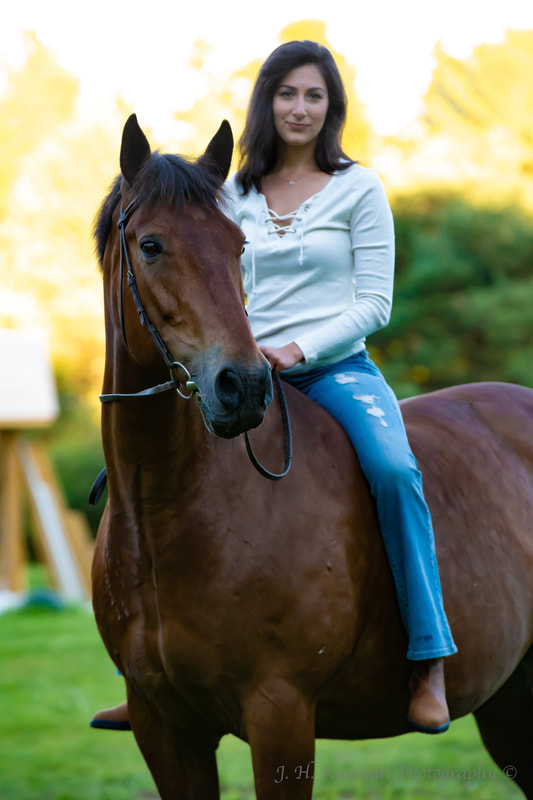
Archives
September 2026
Categories |
 RSS Feed